

Is your LG fridge compressor noise driving you crazy? I’ve been there too. The constant hum can disrupt your peace at home.
But don’t worry, I’ve got solutions. I’ve researched this issue extensively. LG fridges are known for their quality, but they’re not immune to problems.
Compressor noise is a common complaint among owners. It can range from a soft buzz to a loud rattle. Sometimes, it’s normal operation.
Other times, it signals a deeper issue. In this guide, I’ll help you diagnose the problem. We’ll explore quick fixes you can try at home.
I’ll also explain when it’s time to call a professional. By the end, you’ll know exactly what to do.
Let’s quiet that noisy fridge and restore your peace of mind.
Key Takeaways:
- Check for normal operation noises
- Address frost buildup and loose items
- Ensure proper leveling
- Understand high-efficiency compressor design
- Recognize signs of faulty components
- Perform regular maintenance
Common Causes and Solutions for LG Fridge Compressor Noise
1. Normal Operation Noises
We’ve all heard those weird noises from our LG fridges, right? Let’s fix them up!
First thing’s first, we gotta make sure it’s level. Just open the doors and pop a level on top – if it ain’t even, twist them legs til it’s slighting back. This will help the doors shut well.
Next up, check for stuff in the way. Take out anything leaning on the walls inside – they might be makin’ it rattle. Oh, and don’t forget to clear off the top too!
If you think there’s frost building up, try turning up the temp a smidge for a couple of days. This’ll melt any ice and quiet down that noisy fan.
Remember, we’re in this together! These tips should help us get our fridges running smoothly and quietly. If you’re still havin’ trouble, don’t be shy to give us a shout!
2. Frost Buildup Around Fan Housing
We’ve got a problem with frost buildup around the fan housing in our LG fridge. Let’s fix it together! Here’s what we can do:

First off, let’s crank up the temp setting a bit. This will help melt whatever already built up. Give it a couple days to do its thing.
Next, we gotta make sure our fridge is level. Grab a level tool and check if it’s balanced side-to-side. If not, we’ll need to fiddle with the legs. We want a slight tilt backwards – that’ll stop moisture from building up.
Now, let’s take a look at them doors. They gotta be lined up right or moisture’ll sneak in and make more frost. If they’re wonky, we might need to adjust the hinges.
If we already have frost, we’ll have to defrost it manually. Turn off the fridge, leave the doors open, and let it all melt away. Don’t forget to mop up the water!
These steps should do the trick. If we run into any trouble, we can always give it another go.
3. Loose Items Inside Fridge
We’ve all been there – that annoying noise from our LG fridge driving us crazy! Let’s fix it together.
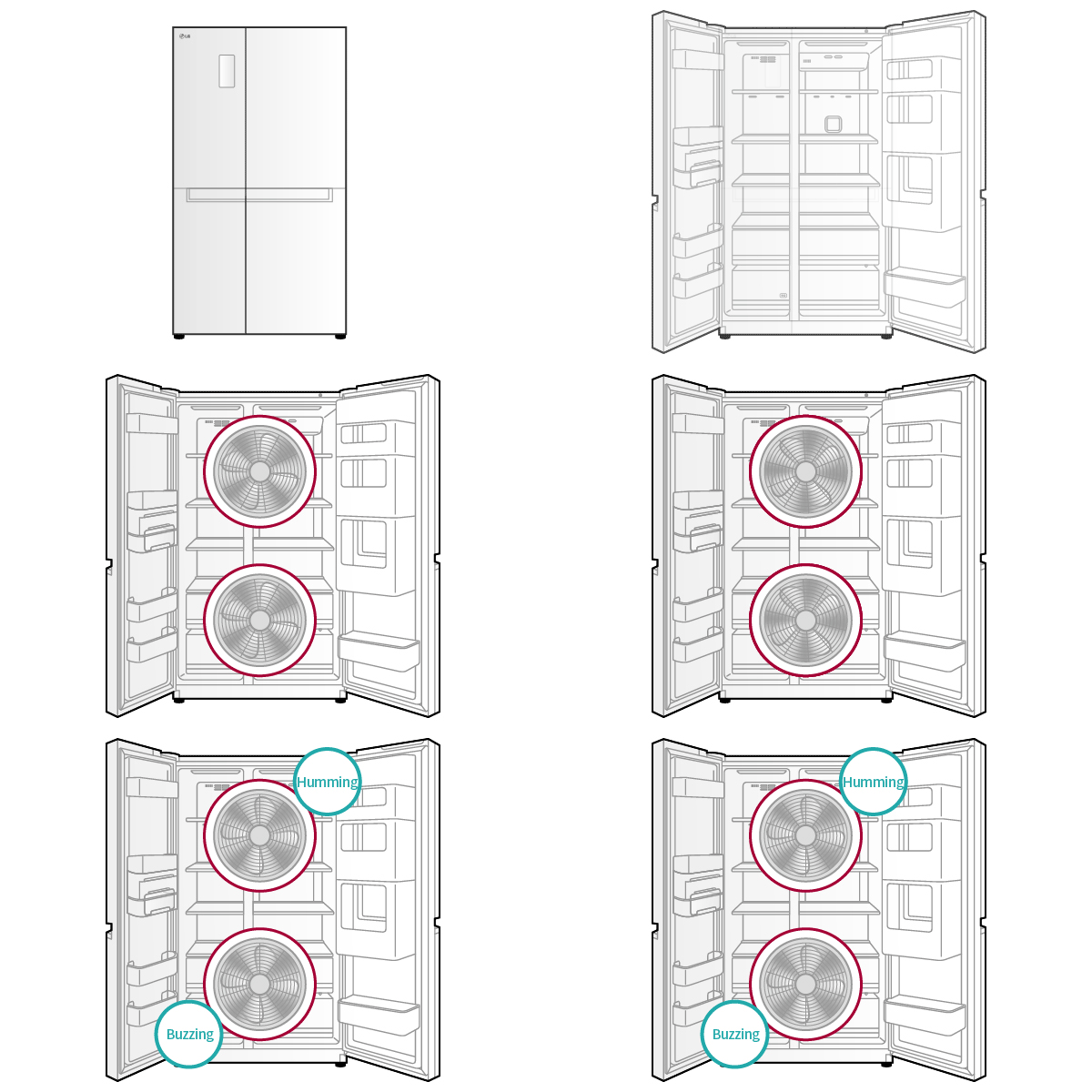
First off, open the doors and take a good look inside. See anything touching the walls or shelves? That’s your culprit right there.
Now, let’s rearrange stuff. Keep everything at least an inch from the walls. This stops things from rattling when the compressor kicks in. You know how it is.
Are any loose bits floating around? Secure them down or chuck them out if you don’t need them. We don’t want a dance party in there!
Oh, and don’t forget – heavy stuff goes low, light stuff goes high. It’s like building a tower, you know? Keeps everything nice and stable.
4. Improper Leveling
If your LG fridge’s making weird noises, it might just need levelling. Here’s how we can fix it:
First, let’s open the doors and grab a level (or a half-full glass of water if you don’t have one). We’re gonna check if it’s straight side-to-side.
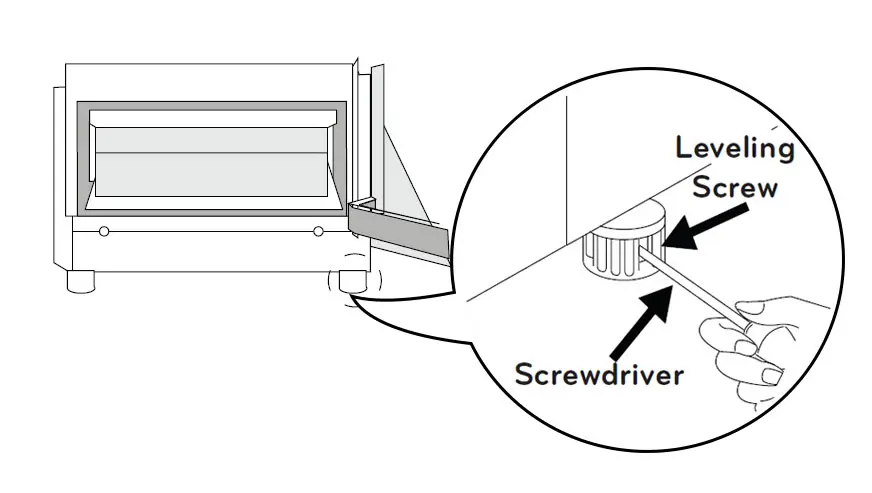
Now, we gotta adjust their legs so it’s tilted back just a smidge. This will help the doors close right and keep moisture out.
While we’re at it, let’s make sure the doors line up well. If they don’t, you might get frost and more noise. Ain’t nobody got time for that!
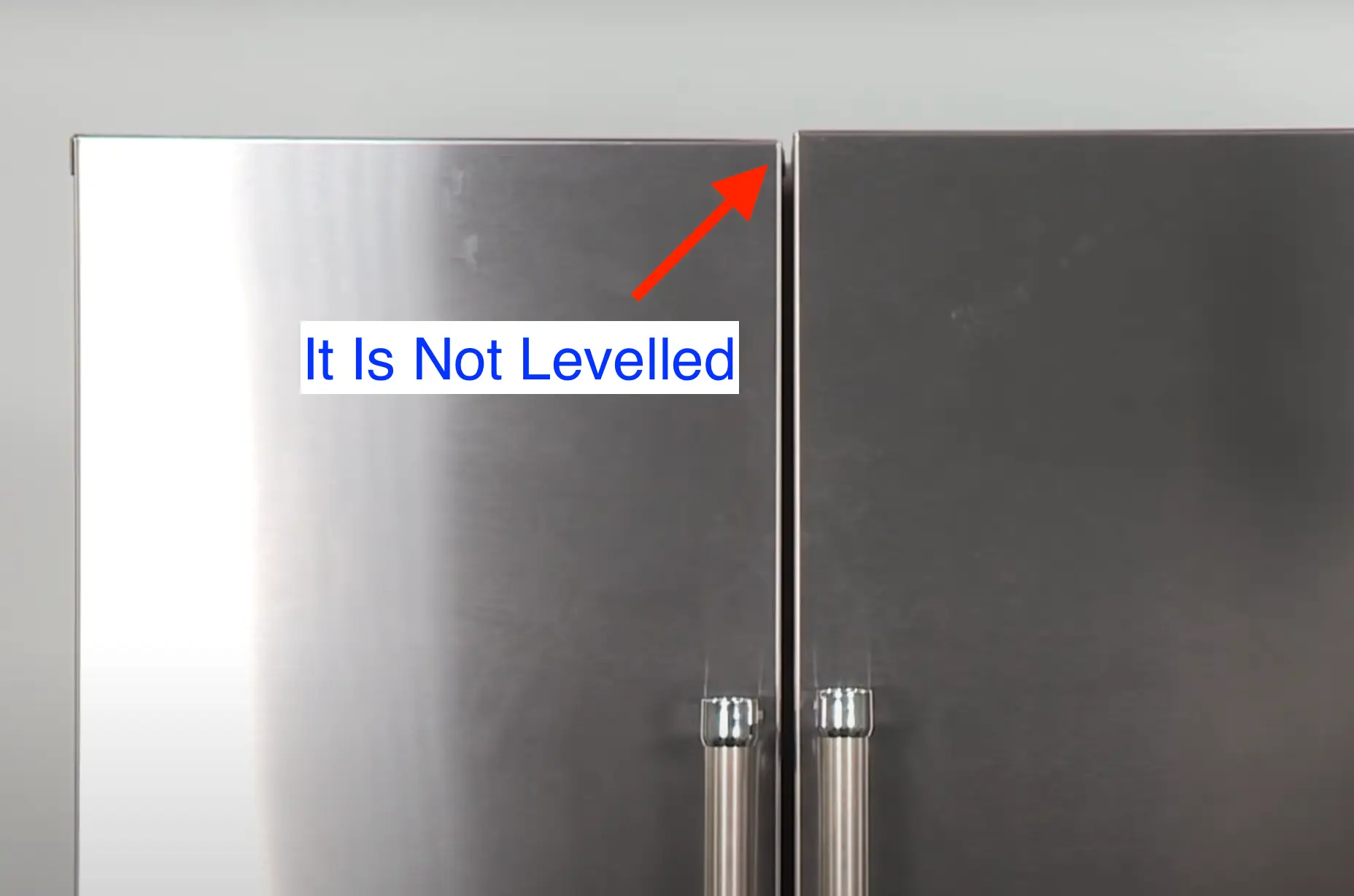
If you’re still stumped, LG’s got some detailed instructions you can look up.
Here’s a pro tip: if your fridge is set too cold, it might get noisy and frosty. Try bumping up the temp a couple of degrees for a few days. It’ll give that frost a chance to melt and quiet things down.
We’ve all been there with noisy appliances, but this should sort you out.
5. High-Efficiency Compressor Design
We’ve been dealing with that annoying high-pitched noise from our LG fridge, right? I think I have a solution for us. First, we gotta figure out where the noise is coming from – is it the compressor or something else like the fan? Once we know that, we can get to work.
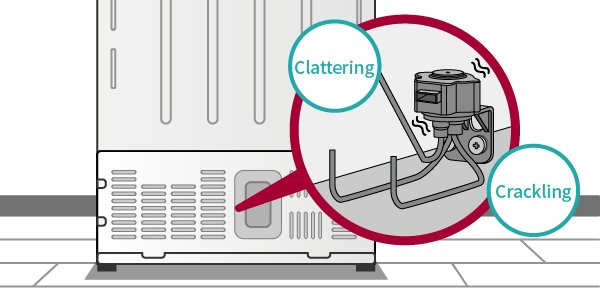
Here’s what we’re gonna do: We’ll use some foam to stop the noise. It’s pretty simple, really. We just need to take off the back panel (you know, the one at the bottom) and stick some packing foam in there. Put it between the drip pan and the frame, and also between the back of the pan and the fridge’s skin. This will help stop those vibrations that are making all the racket.
Don’t forget to put everything back together when we’re done! Oh, and make sure the fridge is level too. If it ain’t, we might need to adjust the legs.
While we’re at it, let’s check for any loose parts around the compressor and fan. Tightening them up might help quiet things down even more.
6. Faulty Compressor or Components
Like, it’s humming really loud or knocking around? That’s usually the cause of a messed up compressor or something related to it.
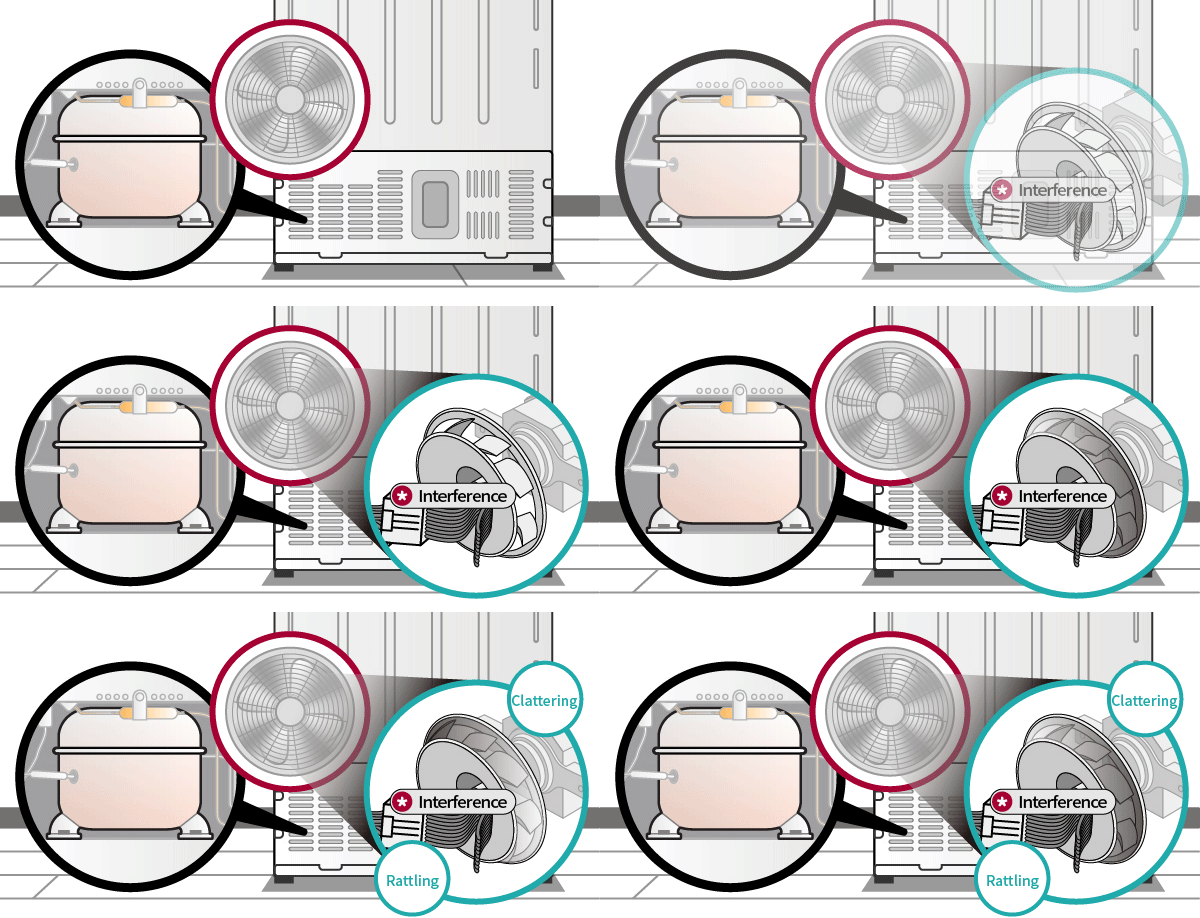
We’ve seen this happen a bunch – it’s usually wear and tear or maybe the relay or fan motor acting up. If it’s louder than usual and won’t quit, that’s a big red flag that your compressor might be on the fritz, and it could mess with how well your fridge keeps stuff cold.
Here’s what we can do about it:
- Listen up: First off, we gotta figure out if it’s really the compressor making all that racket. A hum might be normal, but if it’s knocking or banging, we have trouble.
- Clear the way: Make sure nothing blocking the compressor or fan. Sometimes junk gets in there and messes things up.
- Level it out: Your fridge needs to be sitting pretty and level. If it ain’t, it’ll shake and make more noise. We can adjust their legs to make it sit right.
- Take a look: If it’s still acting up, we should check out the compressor and fan motor. Look for anything that looks off and listen for weird sounds when it’s running.
- Call in the pros: If we can’t fix it ourselves or if the compressor’s definitely busted, we might need to get a pro in there. They’ll know what’s what and can tell us if we need to fix it or get a new one.
- Keep it clean: To stop this from happening again, we gotta keep up with cleanin’ those coils and making sure the fridge can breathe. It’ll help the compressor last longer and work better.
FAQs
Why is my LG refrigerator making a loud noise that sounds like it’s coming from the compressor?
Refrigerators can make a variety of noises, and a loud noise that sounds like it’s coming from the compressor may indicate a cooling system issue. Check the LG site for troubleshooting tips or contact LG USA Support for further assistance.
How do I troubleshoot a loud noise coming from the underside of the refrigerator?
A noise from the underside of the refrigerator could be related to the fan motor or fan blade. Ensure the refrigerator is away from the wall and check the related help library on the LG site for detailed instructions.
What should I do if my new refrigerator is making a buzzing sound?
Buzzing noises can come from the compressor or electronics. If your new refrigerator makes a buzzing sound, consult the LG USA Support or check the related help library for guides. Make sure the refrigerator is installed correctly and nothing is blocking the fan.
Could a humming sound be an issue with the fan in my LG refrigerator?
A continuous humming sound often points to an issue with the fan or cooling motor. Check if it’s coming from inside the freezer or connected to the fan motor. Refer to the related help library for more details or contact LG support.
Why is my LG french door refrigerator making a hissing noise?
A hissing noise in a french door refrigerator can be normal as part of the cooling cycle, especially when the door is opened or closed. However, if the sound is excessive, check the sealed system and the LG help library for more information.
How can I tell if the noise is due to a problem with the compressor or something else?
If the noise persists even with the refrigerator away from the wall, it might be a problem with the compressor or another part like the valve or thermostat. LG USA Support can provide more precise diagnostics based on the specifics of your refrigerator noises.
Is it normal for the ice maker to make noise?
Yes, ice makers in refrigerators can make various sounds like buzzing or clicking. If the noise seems unusual or too loud, check the ice maker for blockages and refer to the related help library for solutions.
Can opening and closing one of the doors frequently cause noise in my LG fridge?
Frequent opening and closing of the doors can cause the cooling system and fan motor to work harder, which may result in more noticeable sounds. Ensure nothing is blocking the door seals and consult the LG site for maintenance tips.
What steps should I follow if I hear loud sounds from my LG refrigerator’s condenser fan?
If you hear loud sounds from the condenser fan, inspect the fan blade and motor for any obstructions or damage. Refer to the related help library on the LG site for step-by-step troubleshooting or contact LG USA Support for professional advice.
Why does my refrigerator make a clicking noise when the door is opened?
Clicking noises when the door is opened may be due to the refrigerator control or thermostat engaging to manage temperature changes. This sound may occur normally, but if it seems problematic, consult the related help library or contact LG support.