

Wondering if you can nuke that fancy ceramic bowl of yours? Our guide on “Can You Put Ceramic in The Microwave: Tips and Guidelines” is here to help. Dive into the nitty-gritty of microwave-safe ceramics, from stoneware to porcelain, and make sure your kitchen stays in one piece.
Discover how to test for microwave safety, understand the nuances of different ceramic types, and get practical tips to keep your favourite pieces intact. Don’t risk your precious ceramics—explore our comprehensive guide now and microwave with confidence!
Key Takeaway
- Microwave-safe ceramics: Look for a “microwave-safe” label. Stoneware and porcelain usually qualify if properly fired and glazed.
- Avoid: Ceramics with metal decorations or unglazed areas.
- Test for safety: Microwave the ceramic with a cup of water for one minute; if the ceramic gets hotter, it’s not microwave-safe.
- General rule: Ceramics fired at cone 6 or higher are typically safe. Low-fired ceramics are more prone to overheating and cracking.
What Ceramics Are Microwave Safe?
ceramics that you can put in the microwave? They’re the ones that don’t soak up too much water, have the right kind of glaze on them, and meet these special standards, you know?
Stoneware and porcelain, if they were fired up well, they usually microwave-safe because they don’t absorb more than 1% water. Ceramics that meet this ASTM standard thing, they’re considered safe for the microwave too.
But watch out for them ceramics with like metal decorations and stuff, because that can start sparking up in the microwave – not a good look.
To test if your ceramic piece is microwave-friendly, heat it alongside a microwave-safe glass of water. If the ceramic gets way hotter than the water, it ain’t microwave-safe.
Generally, though, ceramics fired at cone 6 or higher, tend to not get too hot when you nuke them, you dig? But them low-fire wares can heat up badly.
The vitrified ceramics are usually good to go in the microwave, but they porous clays. They might not be so suitable because they can soak up moisture and maybe even crack when you microwave them.
Can You Put Ceramic in The Microwave?
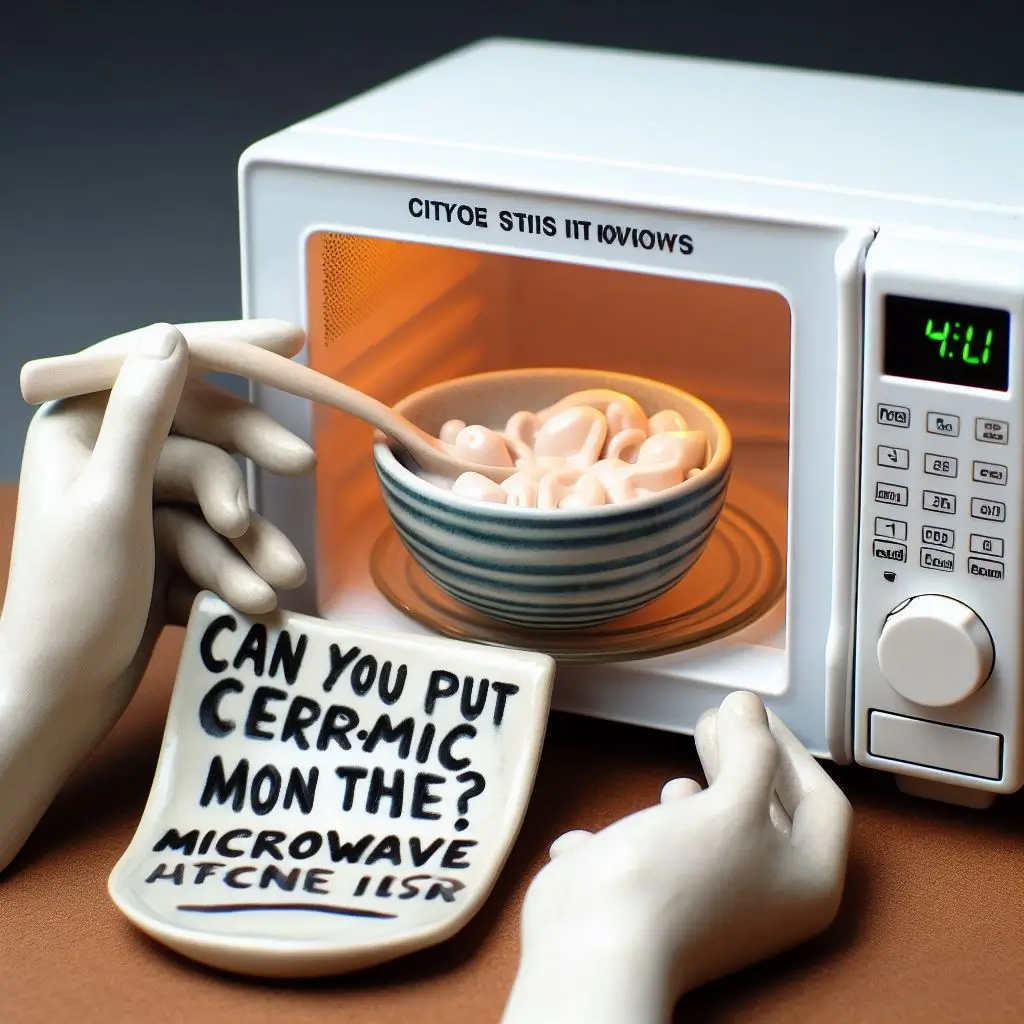
YES, you can put ceramic usually in the microwave if it meets some rules. Most china, pottery and earthenware dishes are A-okay for nuking, like your fancy porcelain plates and those bisque figurines.
The ceramic can’t absorb water though, it needs a proper glaze coating and should follow the ASTM standard for microwave safety.
Even homemade pottery can work in the micro as long as it doesn’t soak up water and has the right glazy finish.
If you’re not sure about some handmade ceramic or it ain’t labelled, you can test it out. Fill up a microwave-safe glass cup with water inside, put the ceramic item next to it in the microwave, and nuke them together for like a minute to test if it’s safe to use.
If the ceramic gets hotter than the water after heating inside the microwave, that means it ain’t suitable for the microwave.
Rules and Temp Requirements to Put Ceramic in The Microwave
- Ceramic stuff should get tested for microwave safety using that ASTM C1607 testing method thing.
- The ceramics gotta be checked if they can handle heat shocks and pass those 325°F criteria from Test Method C554 for being suitable for the microwave.
- Any dishes with metal glazes, decorations or paint ain’t microwave-safe unless specifically marked as such.
- Ceramics shouldn’t absorb any water and need a proper glaze coating.
- For homemade or unlabeled ceramics, nuke them next to a microwave-safe cup of water for a minute. If the ceramic gets hotter than the water, don’t use it in the micro.
- Most ceramic, china and earthenware dishware like porcelain plates and bisque figures are A-okay for microwaving.
- To test ceramics, microwave them with some water for 30 seconds. If it feels way hotter than the water, it’s problematic.
- Don’t let ceramics soak in water for long periods, not even when handwashing – it can make ’em soak up water and crack in the microwave.
- Avoid oddly shaped ceramic pieces with uneven sections, as uneven heating can mess them up.
- Ceramics should be vitrified and properly glazed to at least cone 6 to prevent crazing and waterlogging.
- Low-fired ceramics can work but gotta be careful bout water absorption and microwave safety. What Is The Difference Between Ceramic And Porcelain?
How to know if something is microwave-safe
To check, flip your dish and look for a label saying “microwave-safe” or “oven safe“. If you can’t find any label, it doesn’t necessarily mean you can’t use it in the microwave because it might cause sparks.
Ceramic mugs, ceramic plates, and most cookware made for microwave use are generally safe, provided they don’t have any metallic components that can cause sparks inside the microwave parts that could cause sparks. metallic paint or finishes.
plastic, styrofoam, and brown paper bags should never be microwaved, as they can release harmful chemicals or even catch fire.
When in doubt about handmade pottery or any handmade ceramics, do the one-minute test: Put it in the microwave oven with a cup of water and heat for one minute.
If the dish gets hotter than the water, it’s not safe for microwaving, ensuring it’s suitable for the microwave. This simple test helps prevent damaging your microwave and ensures your cookware is safe for use.
not all paper products are a no-go. Paper towels and most paper plates are safe to microwave, unlike styrofoam or metallic-coated types of ceramic dishes.
For those who love DIY or have handmade pottery, knowing your item was properly fired in a kiln can give you a clue about its durability and whether it’s microwave and dishwasher safe.
The world of microwave-safe items is vast, but with a little knowledge, you can avoid putting things in the microwave that can’t be used in a microwave, keeping your favourite dishes intact and your microwave in good working order.
Is Glazed Ceramic Microwave Safe?
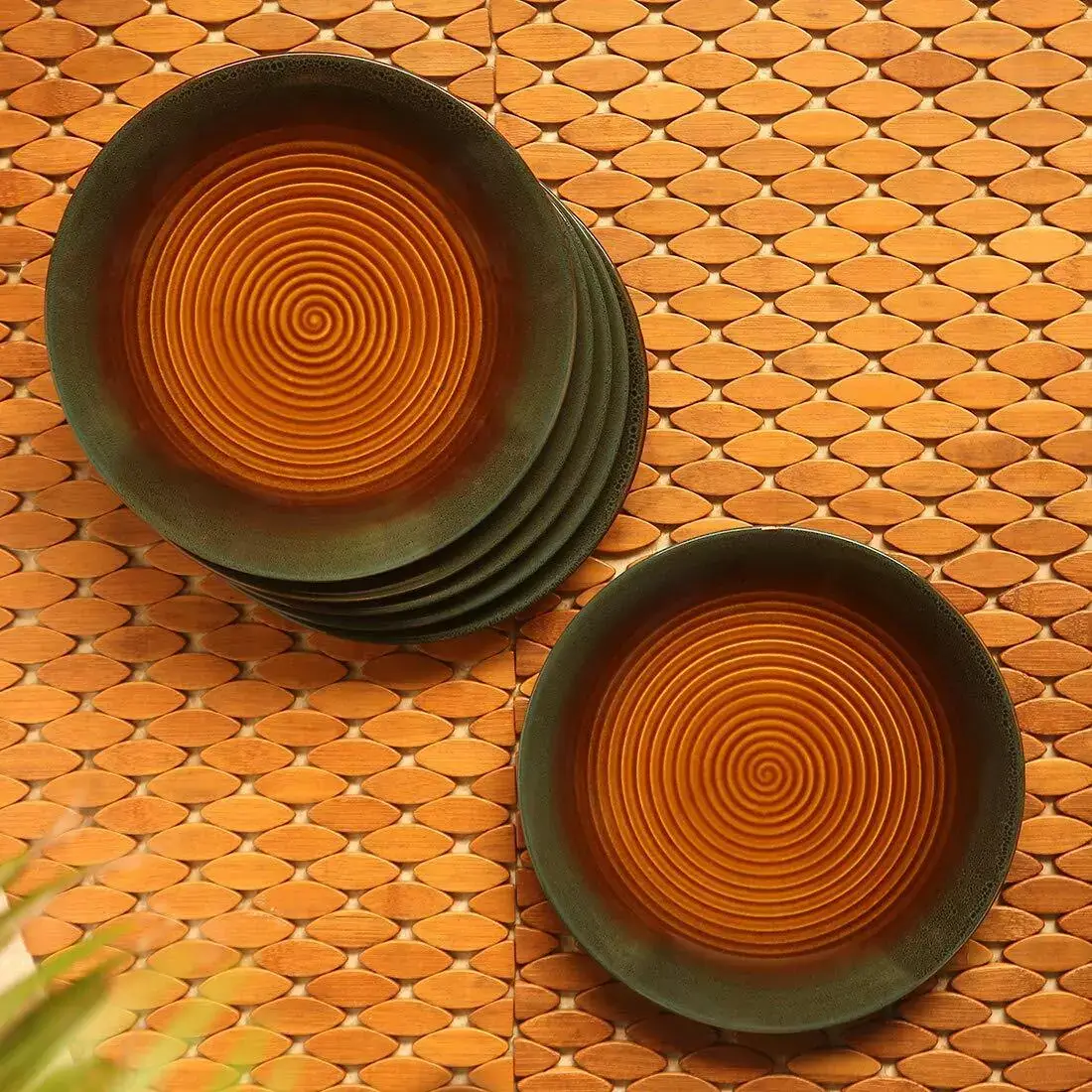
Real Talk On Microwave-Safe Ceramics ⚠
Glazed ceramic pieces can go in the microwave if they meet these rules:
• Glaze or silicon coating to stop them water molecules from sneakin’ in
• Can take extended microwave cookin’ without crackin’ up
• No high iron or metal oxide glazes/bodies that’ll overheat
But here’s the 411 🚨 Porous pieces with any unglazed spots are a no-go for the nuker. That exposed clay gonna soak up all the moisture and superheat, potentially causing explosions 💥
Most pro potters keep porosity under 1% for safe microwaving. But homemade stoneware often hits 2-3% and still works OK, cuz the glazes fit tight leaving less room for H2O.
Do this quick test: Nuke a piece with some water for 30 seconds. If the dish is way hotter than the water, something is wrong 🚷
Even glazed mugs can mess up from bumps causing tiny cracks that let moisture in over time. Once that water gets deep in the clay body, it’s game over for microwaving safely 👎
Summing…
Most glazed and high-fired ceramic dishes are cool for use in the microwave yo.
Stuff like stoneware and porcelain ceramics you can typically microwave without issue.
But watch out for low-fired ceramics and any pieces with cracks or that crazy crazing pattern – those ain’t gonna be microwave safe.
To check if a ceramic dish works in the microwave, just do this little test: put the dish in there along with a cup of water and nuke it for like a minute.
If the dish gets hotter than the water, don’t microwave that one cuz it could start sparking or breaking or mess up your food. But if the water’s hotter, you’re good to go!
FAQs
Can you really put any ceramic bowl in the microwave safely?
Not all ceramic bowls are created equal when it comes to being microwaved. While many ceramics are made to withstand the heat, you should look for a label indicating whether it’s microwavable. Handmade ceramics without a glaze might be unsuitable due to their porosity, which could cause them to get hot and potentially crack.
What’s the best way to ensure my ceramics don’t crack in the microwave?
The best way to ensure your ceramic dishes remain intact is by checking if they’re labeled as microwave safe. Additionally, avoid sudden temperature changes. If a bowl or any item wasn’t made to withstand microwave use, the rapid heating could lead to cracks or breakage. Preheating your ceramic gently can also help.
Are there specific types of handmade ceramic that can’t be put in the microwave?
Yes, certain types of clay and unglazed, handmade ceramics might not be suitable for microwave use. Unglazed ceramics can absorb water and chemicals, which could be released when heated. Additionally, ceramics decorated with metallic paint or finishes should be avoided as they can spark and cause damage.
How can I tell if my ceramic is oven safe and also safe to put in the microwave?
To determine if a ceramic dish is oven safe and can be put in the microwave, check for a stamp or label denoting its suitability. Generally, oven-safe ceramics are able to withstand higher temperatures and can also be used in the microwave. However, always verify with the manufacturer’s guidelines to be sure.
What items should I absolutely avoid microwaving in ceramic dishes?
Avoid microwaving items that are not food-safe or could react negatively to heat, such as foods with a high sugar or fat content which can get excessively hot. Additionally, stay clear of using ceramics to heat food directly wrapped in wax paper, parchment, napkin, or recycled paper, as these can ignite or release toxins.
Can the finish on my handmade ceramic cup affect its microwave safety?
Yes, the finish on your handmade cup can significantly affect its microwave safety. Ceramics coated with metallic glazes or finishes should not be microwaved, as metal can spark and potentially cause a fire or damage your microwave. Always check for a microwave-safe label or consult the maker if you’re unsure.
Is it safe to heat food directly in ceramic bowls rather than using plastic dishware?
Heating food directly in ceramic bowls is generally safer than using plastic dishware, especially if the ceramic is labeled microwave safe. Plastics can melt or release harmful chemicals into food when microwaved, whereas ceramics made for microwave use are designed to handle the radio waves and heat food evenly without these risks.
What’s the science behind microwaves and ceramic materials?
Microwaves heat food by causing water molecules in the food to vibrate, producing heat. Ceramics are made of materials that are able to withstand this intense environment. However, types of clay or designs with cavities might affect how a ceramic piece reacts. The key with ceramics in microwaves is that they don’t actually heat up themselves; rather, the water inside the food gets hot, and that heats up the ceramic indirectly.